Brick Pavers vs. Concrete Pavers: Key Differences Explained
People searching for brick pavers or concrete pavers installation are typically looking to enhance their outdoor spaces, and local contractors can help determine the best options and handle the installation.
If you're considering upgrading your outdoor space, understanding the differences between brick pavers and concrete pavers is an essential first step. Property owners in the area often explore this topic to determine which material best suits their aesthetic preferences, durability needs, and maintenance expectations. Whether planning a new driveway, patio, or walkway, knowing how these options compare can help make informed decisions. Local contractors specializing in paver installation are well-equipped to guide homeowners through these choices, ensuring the final result aligns with both style and function.
Exploring the distinctions between brick pavers and concrete pavers can reveal practical advantages that impact long-term satisfaction with your project. For instance, brick pavers are known for their classic appearance and natural feel, while concrete pavers often offer greater versatility in design and installation options. Property owners seeking durable, visually appealing surfaces often turn to experienced local service providers to handle the installation process. Continuing to read can provide clarity on which material might be the best fit for specific needs, helping to lay the groundwork for a successful outdoor upgrade.
- Brick pavers installation - suitable for projects where a classic, decorative look is desired, with local contractors focusing on precise placement and aesthetic appeal.
- Concrete pavers installation - ideal for functional, durable surfaces like driveways and walkways, with service providers emphasizing strength and longevity.
- Brick pavers installation - often chosen for historical restorations or decorative accents, with local pros ensuring proper alignment and pattern consistency.
- Concrete pavers installation - preferred for large-scale areas requiring uniformity and low maintenance, with contractors prioritizing even surface installation.
- Brick pavers installation - recommended for projects where a textured, traditional appearance matters, with local experts paying close attention to material selection and joint filling.
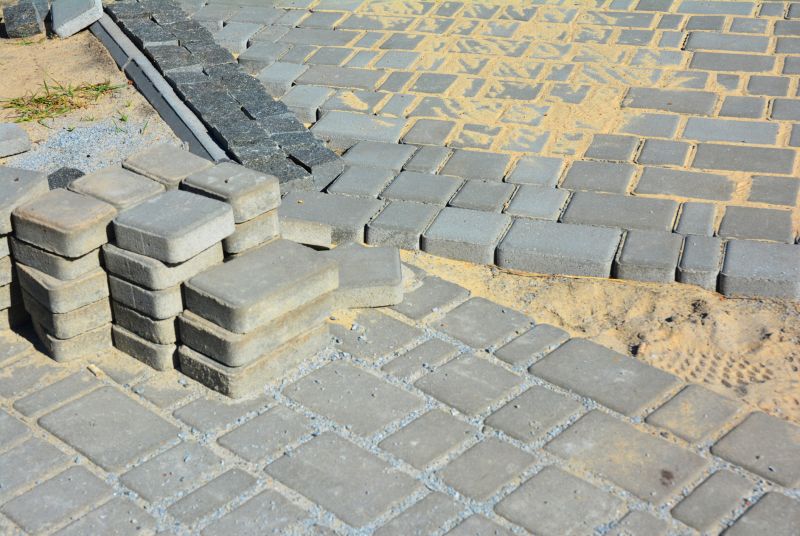
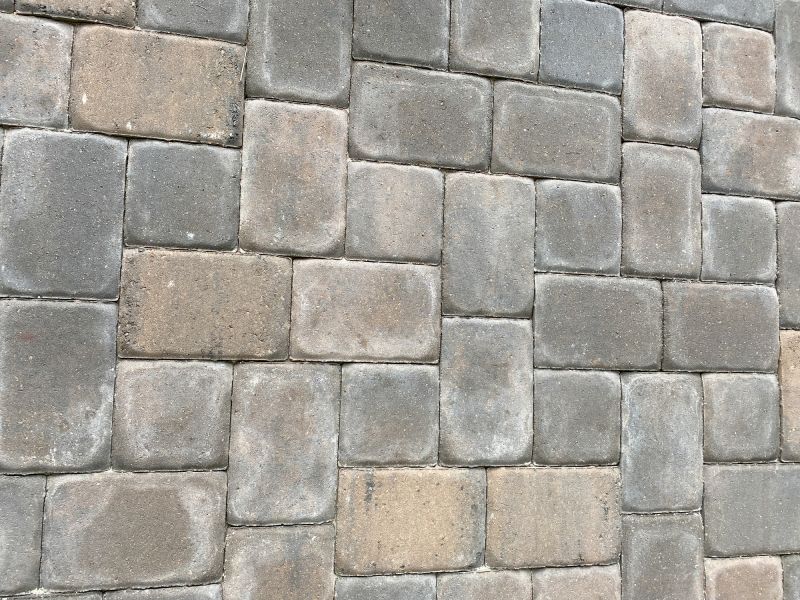
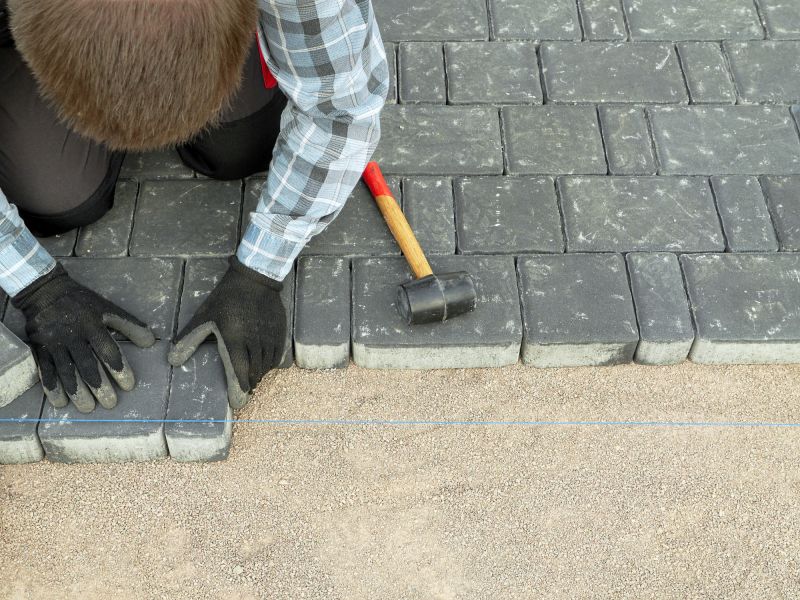
When homeowners search for information about brick pavers vs. concrete pavers: key differences explained, they are often trying to understand which material best suits their specific outdoor project. Many are planning to upgrade or install new walkways, patios, driveways, or pool decks and want to compare the visual appeal, durability, and maintenance needs of each option. This research typically stems from a desire to enhance curb appeal, improve property functionality, or create a more inviting outdoor space. Understanding the fundamental differences helps homeowners make informed decisions that align with their aesthetic preferences and long-term usage expectations.
The comparison between brick pavers and concrete pavers relates closely to various property types and project goals. Brick pavers are often favored for their classic, timeless look and are commonly used in historic or traditional-style homes, garden pathways, or decorative accents. Concrete pavers, on the other hand, are known for their versatility and affordability, making them suitable for modern properties, large driveways, or commercial landscapes. Homeowners might also consider their climate, foot traffic, or the level of customization desired when choosing between these materials. Local contractors who specialize in paver installation can provide insights into which options work best for specific property types and project scopes.
People searching for this topic are frequently facing problems such as choosing the right material for durability, maintenance, or aesthetic compatibility. They may have existing concrete or brick surfaces that need repair or replacement, or they could be starting from scratch with a new outdoor layout. Many plans involve creating durable, low-maintenance surfaces that can withstand weather and heavy use over time. Properties that typically come up include residential homes, especially those with traditional or contemporary styles, as well as small commercial properties seeking cost-effective yet attractive paving solutions. Local service providers can help evaluate these factors and recommend the best materials to suit each property’s unique needs.
Understanding the key differences between brick pavers and concrete pavers also involves recognizing how each material performs in different contexts. Brick pavers are made from clay or concrete bricks, offering a natural, textured look that ages well and can be easily repaired or replaced individually. Concrete pavers are manufactured from cement and aggregates, allowing for a wider range of shapes, sizes, and colors, often with a more uniform appearance. Homeowners can benefit from consulting local contractors who have experience with both materials, ensuring the chosen paver type aligns with their project goals and property characteristics. These professionals can assist in selecting the right paver material, providing expert installation, and ensuring the finished surface meets expectations for both style and function.
Patio and walkway construction - local contractors experienced in paver installation can help design and build durable outdoor surfaces using brick or concrete pavers, considering key differences in material properties.
Driveway paving projects - specialists familiar with paver types can advise on suitable materials for driveways, addressing their distinct strengths and installation requirements.
Landscape design and hardscaping - professionals skilled in planning outdoor spaces can incorporate brick or concrete pavers to create aesthetic and functional features aligned with project goals.
Pool deck installation - local service providers can install paver surfaces around pools, selecting the right type based on slip resistance and durability needs.
Patio renovation and repair - experienced contractors can restore or upgrade existing paver surfaces, ensuring proper installation techniques for longevity.
Retaining wall and border construction - experts can incorporate paver materials into landscape features, leveraging their unique characteristics for structural and decorative purposes.
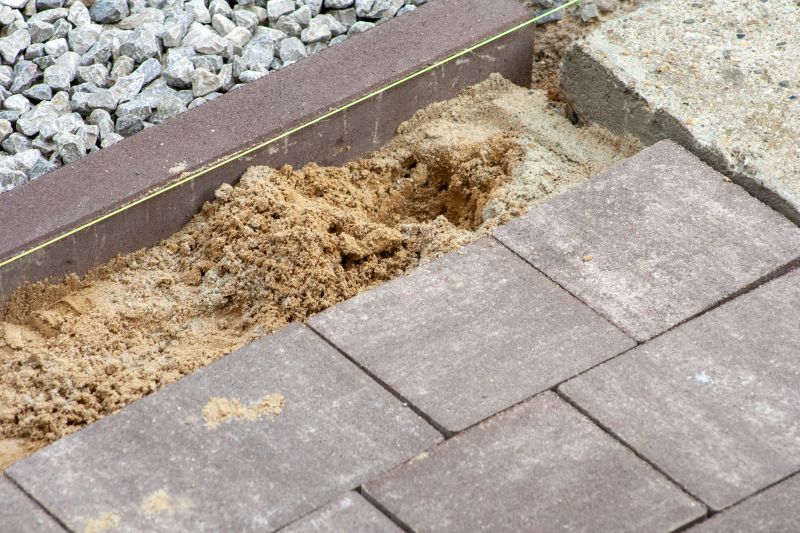
When evaluating contractors for brick pavers versus concrete pavers installation, experience with similar projects is a crucial factor. Homeowners should inquire about the service providers' backgrounds in handling the specific type of paving they are interested in, whether it’s the classic, textured look of brick pavers or the versatile, smooth finish of concrete pavers. A contractor with a proven track record in installing either material can offer insights into what to expect and help ensure the project aligns with the homeowner’s aesthetic and functional goals. Reviewing portfolios or asking for references related to previous work can provide a clearer picture of a contractor’s expertise and familiarity with the nuances of each paving type.
Clear, written expectations are essential when comparing local contractors for paving projects. Pros should be able to provide detailed descriptions of the scope of work, including surface preparation, material selection, installation techniques, and finishing touches. This transparency helps prevent misunderstandings and ensures that homeowners are aligned with the contractor’s approach, whether they choose brick or concrete pavers. A reputable service provider will also be willing to outline the materials they plan to use and explain how they address factors like durability, maintenance, and design options, giving homeowners confidence that the project will meet their needs.
Reputable references and effective communication are key indicators of a reliable local contractor for paving services. Homeowners should seek out service providers who can share references from past clients, particularly those who have had similar projects completed. Good communication throughout the process-prompt responses, clear explanations, and openness to questions-helps establish trust and ensures that expectations are managed effectively. Since brick pavers and concrete pavers each have unique installation considerations and aesthetic qualities, working with a contractor who demonstrates professionalism, transparency, and responsiveness can make the entire process smoother and result in a finished project that aligns with the homeowner’s vision.
Get a Quote for Brick Pavers Or Concrete Pavers Installation
Property owners often search for brick pavers vs. concrete pavers: key differences explained when they are planning practical projects around their homes and businesses. Local pros provide Brick Pavers or Concrete Pavers Installation services for everyday jobs and straightforward project options.
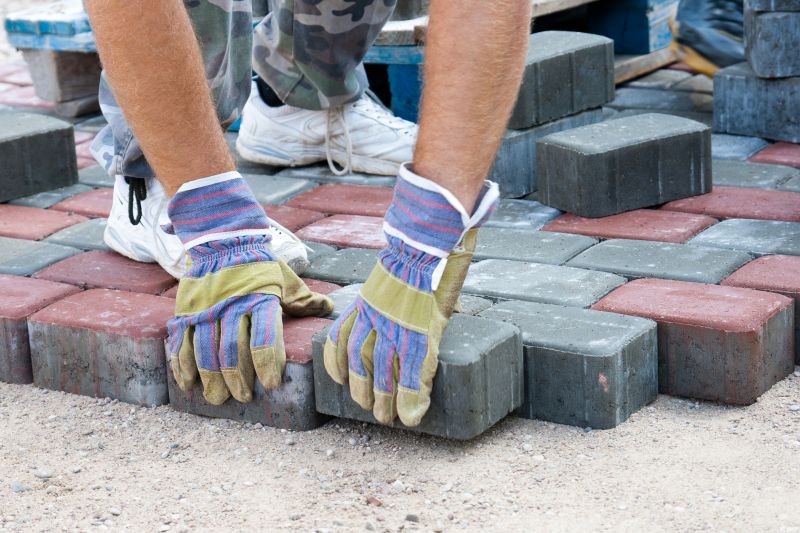

When considering a new outdoor surface or walkway, property owners often explore the differences between brick pavers and concrete pavers to determine which option best suits their needs. Brick pavers are known for their classic, timeless appearance and natural variation in color and texture, making them a popular choice for those seeking a traditional or decorative look. Concrete pavers, on the other hand, tend to offer more uniformity and can be customized with various shapes, sizes, and colors, appealing to homeowners looking for a modern or sleek aesthetic. Local contractors can help evaluate the specific style preferences, durability requirements, and maintenance considerations to recommend the most suitable paving material for each project.
Understanding the key differences between brick pavers and concrete pavers can also influence decisions related to installation and long-term performance. Brick pavers are typically made from clay or concrete bricks that are laid in patterns, providing a sturdy and durable surface that can handle foot traffic and light vehicle use. Concrete pavers are often manufactured in molds, allowing for more precise shapes and designs, and they generally offer a wider range of installation options. Property owners in the area seeking to enhance their outdoor spaces can contact local service providers to explore installation services that match their aesthetic goals and functional needs, ensuring the right choice is made for their specific project.
Get a Quote for Brick Pavers Or Concrete Pavers Installation
What are the main visual differences between brick pavers and concrete pavers? Brick pavers typically have a warm, natural appearance with a textured surface and color variations, while concrete pavers often have a smoother finish and can be manufactured in a wide range of colors and styles.
How do durability and lifespan compare between brick and concrete pavers? Brick pavers are known for their durability and can last for decades with proper installation, whereas concrete pavers generally have a shorter lifespan but can be reinforced or sealed for enhanced longevity.
Are there differences in installation processes for brick versus concrete pavers? Yes, brick pavers often require careful placement to ensure evenness and stability, while concrete pavers are usually easier to install with consistent sizing and can be laid more quickly by experienced contractors.
Which type of paver is better suited for high-traffic areas? Concrete pavers are typically more resistant to heavy wear and are often preferred for high-traffic surfaces, though skilled installation of brick pavers can also provide durable results.
Can local contractors help decide which paver type fits specific project needs? Yes, local service providers can assess the site and recommend whether brick pavers or concrete pavers are better suited based on factors like style preferences, durability requirements, and installation conditions.
Durability considerations - Property owners can choose between brick or concrete pavers based on the expected foot traffic and weather conditions, with local contractors providing guidance on the best options.
Design versatility - Homeowners can explore different patterns and colors to match their aesthetic preferences, with local service providers helping select and install the most suitable pavers.
Maintenance needs - Understanding how each type of paver ages and requires upkeep allows property owners to plan accordingly, with local pros offering advice on long-term care.
Installation techniques - Proper installation is key for longevity and appearance, making it important to work with experienced local contractors familiar with both brick and concrete paver methods.
If you are thinking about brick pavers vs. concrete pavers: key differences explained for a property, this guide is meant to help you understand this topic, the typical project types, and how different options might fit your plans.
When you are ready, you can use the quote form on this page to share a few details about your project. From there, local pros can review the basics and follow up with options that match what you have in mind.
Get a Quote for Brick Pavers Or Concrete Pavers Installation